
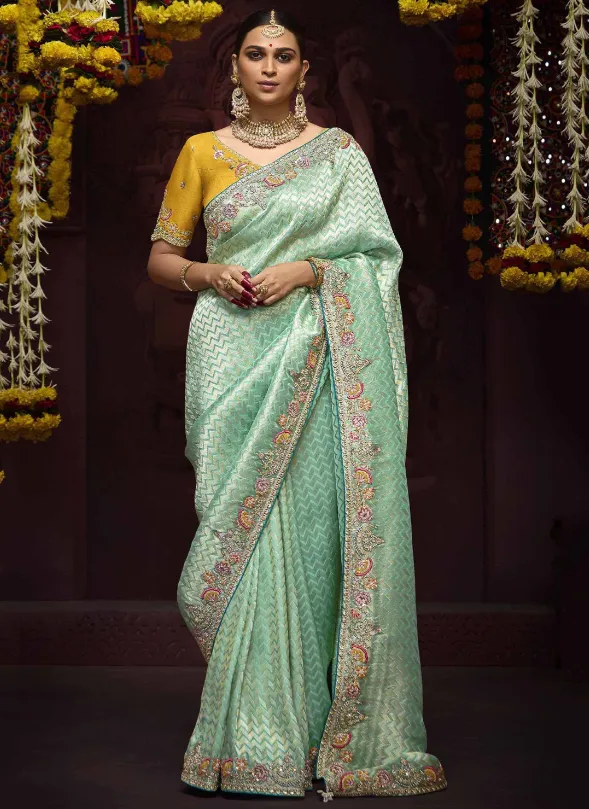
Fashion moves quickly, but some wardrobe choices remain relevant because they can adapt to different occasions. A silk saree can do exactly that. Its visual richness, structured fall, and ability to work with traditional or contemporary styling make it useful for weddings, festivals, formal dinners, and family celebrations. Rather than choosing only by colour or embroidery, shoppers can look at weave, weight, border, blouse pairing, and long-term styling potential.
This is especially important when trends change every season. A saree that feels current today should still have enough balance to work again later. The goal is not to avoid trends completely, but to select details that can be refreshed through styling instead of becoming dated after one event.
Why Silk Continues to Feel Relevant
Silk-based sarees can create a polished look without depending on excessive embellishment. Some have a soft sheen, others feel more textured, and different constructions can produce anything from a fluid drape to a more defined silhouette.
The appeal of a silk saree also lies in the way it handles occasion dressing. A richly woven border can make the saree suitable for a wedding, while a simpler design can work for a puja, festive lunch, or formal gathering. This range gives the wearer more control over how traditional or modern the final look becomes.
Trends Should Guide, Not Control, the Purchase
Someone browsing for a latest saree may notice changing preferences in colour, blouse cuts, borders, prints, and embellishment. These updates can make a saree feel fresh, but buying only because one detail is popular can limit how often the outfit is worn.
A better approach is to separate lasting elements from short-term accents.
Use Trends in Smaller Ways
Consider keeping the saree itself versatile while experimenting with:
-
A contemporary blouse neckline
-
Contrast sleeves or a statement back
-
A belt over the drape
-
Modern jewellery with a traditional border
-
A different pallu style
-
A current colour accent through the blouse or bag
This makes it easier to update the look later without replacing the saree.
Look Closely at the Border and Pallu
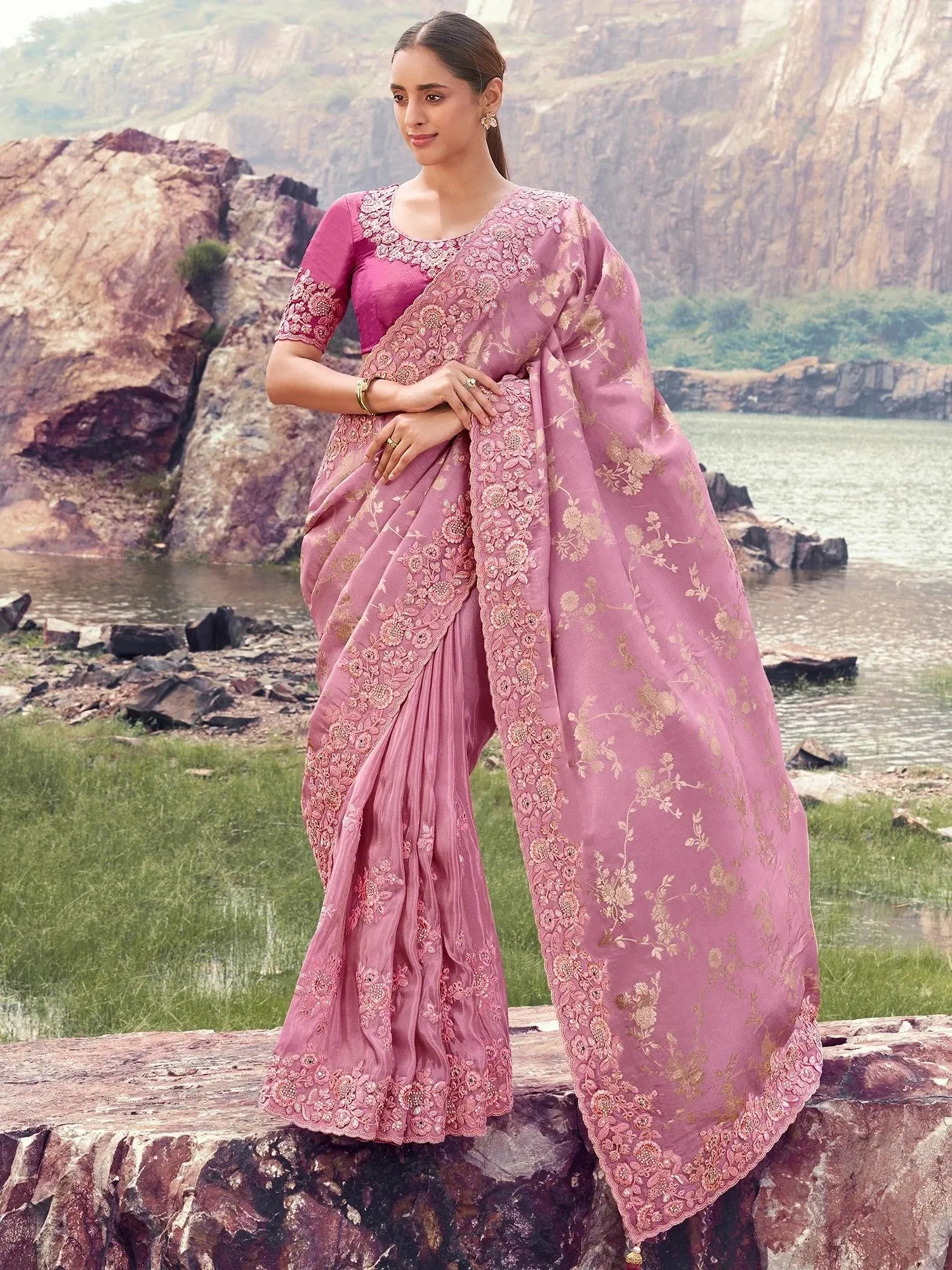
The border often determines how formal a silk saree appears. A wide zari-inspired border can create a strong ceremonial look, while a narrow border keeps the saree easier to style for smaller functions. The pallu can provide another focal point through woven motifs, contrast colour, embroidery, or texture.
Choose the Level of Detail Carefully
If both the border and pallu are highly decorative, the blouse can remain simpler. If the saree is more restrained, the blouse can carry stronger embroidery or colour. This balance helps each element stay visible instead of competing for attention.
Build a Colour Palette You Can Reuse
Rich maroon, green, navy, red, and purple remain useful for formal celebrations, but pastels, ivory, muted gold, teal, and softer pinks can also work beautifully. The most practical colour is one that fits more than a single event in your calendar.
Before buying, imagine the saree with at least two blouse colours and two jewellery styles. If both combinations feel convincing, the saree is likely to have better repeat value.
Make the Blouse the Refresh Point
A saree may remain unchanged for years, but the blouse can evolve. This makes it one of the easiest ways to modernise a familiar drape.
For example, the same saree can be paired with:
-
Brocade for a traditional wedding look
-
A plain fitted blouse for a cleaner event style
-
Elbow sleeves for a classic appearance
-
A contrasting blouse for stronger colour
-
Subtle sequins for an evening function
The blouse should still be comfortable enough for the event rather than chosen only for visual impact.
Think About Care Before the First Wear
Silk and silk-blend sarees can need more careful storage than everyday fabrics. Follow the garment’s care instructions, avoid leaving heavy jewellery caught in the fabric, and store the saree in a way that does not crush decorative work.
If the saree has delicate embroidery, zari-style detailing, or embellishment, professional cleaning may be preferable to home washing. Care should always follow the specific material and construction stated by the seller.
Conclusion
A saree does not need to chase every trend to feel current. Silk offers enough richness and versatility to move between traditional and modern styling, while smaller details such as blouses, jewellery, draping, and colour contrast can keep the look fresh. The strongest purchase is one that suits the present occasion but still leaves room for future styling. By paying attention to the border, pallu, colour, blouse possibilities, and care needs, women can choose a saree that feels fashionable now without losing its usefulness when the next trend arrives.
