
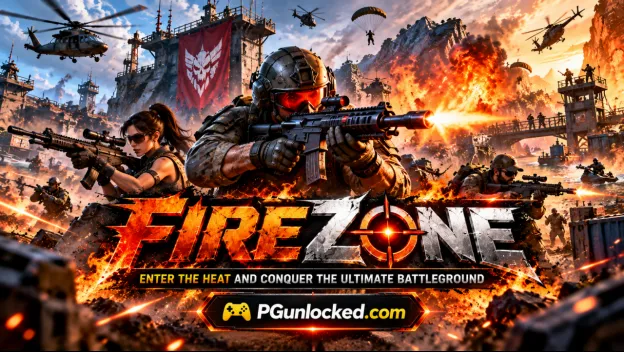
FireZone is a high-energy action game concept built around explosive battles, dangerous arenas, fast movement, and intense survival. It places players inside a hostile combat world where every second matters and every decision can determine who survives the next encounter. The core experience is designed around pressure. Players enter unstable battle zones filled with enemies, hazards, collapsing environments, and rapidly changing objectives. Winning requires more than powerful weapons.
Players must understand timing, positioning, movement, resource management, and the strengths of their chosen fighter. The name FireZone reflects the constant danger surrounding the player. The battlefield is never completely safe. Explosions can change routes, burning structures can block movement, and new threats can appear without warning. The result is a combat experience that feels unpredictable and energetic from the beginning of a match until the final moment.
What Is FireZone?
FireZone is an arena-based action game concept where players compete in dangerous combat environments and attempt to dominate the battlefield. Each match can feature different objectives. Some battles may focus on survival. Others may require players to capture important zones, eliminate enemy teams, protect valuable locations, or collect resources before opponents reach them. The gameplay is designed to feel aggressive but tactical. Players who rush without planning may quickly find themselves surrounded. Careful players can use the environment to their advantage, control important locations, and strike when enemies are vulnerable. FireZone combines action with strategy in a way that rewards both fast reflexes and smart thinking.
Enter a Battlefield That Never Stays the Same
One of the most exciting ideas behind FireZone is a battlefield that constantly changes. A safe route at the beginning of a match may become dangerous later. Buildings can catch fire. Bridges may collapse. Certain areas can become blocked by smoke. Explosive containers may destroy cover. New pathways may open after environmental events. These changes force players to adapt. Instead of memorizing one perfect route, players must understand the entire map. Dynamic environments also create dramatic moments. A player may escape through a building seconds before it becomes inaccessible. An enemy team may lose control of an objective because a firestorm forces everyone to relocate. These moments make every match feel different.
Choose Your Combat Style
FireZone can support several playstyles. Aggressive players may focus on high damage and direct combat. Tactical players may prefer controlling routes and waiting for enemies. Fast characters may use mobility to attack from unexpected directions. Defensive players can protect objectives and survive longer in dangerous situations. Support-focused players may provide healing, protection, or battlefield information. No single playstyle should be perfect for every situation. The strongest players are those who know when to change their approach. Sometimes aggression is necessary. Sometimes patience wins the battle.
Fast Combat and Quick Reactions
Combat in FireZone should feel immediate. Players need responsive movement and accurate controls. Attacks should have clear impact. Dodges should feel fast. Weapons should respond differently depending on their category. Close-range combat can be intense and aggressive. Long-range combat may reward precision and positioning. Players can also use special abilities to create powerful combinations. The key is to make every fight feel dangerous. A player should never feel completely safe simply because they have better equipment. Skill, awareness, and timing should remain important throughout the match.
Weapon Variety
A strong weapon system gives players more freedom. FireZone may include assault rifles, shotguns, pistols, marksman weapons, machine guns, launchers, melee tools, and energy-based equipment. Each weapon should serve a purpose. Shotguns can dominate narrow spaces. Precision rifles are useful in open areas. Rapid-fire weapons can provide steady pressure. Heavy weapons may deal major damage but reduce mobility. Players should also have reasons to try different equipment. A weapon that works perfectly on one map may be less useful on another. This encourages experimentation.
Special Equipment
Weapons are only part of the combat system. Players may also use tactical equipment. Smoke devices can block visibility. Flash devices can disrupt enemies. Portable barriers can provide temporary protection. Scanning tools may reveal enemy positions. Traps can defend objectives. Mobility equipment may help players cross dangerous areas quickly. This equipment adds another layer of strategy. A smart player can win a fight before firing the first shot simply by controlling the situation.
The Fire Mechanic
Fire can become one of the most distinctive elements of FireZone. Certain areas may ignite during combat. Fire can spread through specific materials. Burning zones may deal continuous damage. Smoke can reduce visibility. Explosions may cause nearby objects to catch fire. Players can use these mechanics strategically. For example, an enemy hiding behind cover may be forced to move if the surrounding area begins burning. A team can block a doorway temporarily by creating a dangerous zone. However, fire should remain balanced and predictable. Players should have enough information to react instead of feeling randomly punished.
Character Classes
FireZone can include several character classes to create gameplay variety. A frontline fighter may have higher durability. A scout can move quickly and locate enemies. A demolition specialist may control explosives and environmental damage. A medic can support teammates. A marksman may focus on precision. An engineer could create defensive structures or repair important equipment. These roles can make team battles more strategic. Players can build squads around different strengths.
Character Abilities
Every fighter can have unique abilities. A mobility character may have a rapid dash. A defensive fighter may deploy a temporary shield. A support character may restore health. A demolition fighter could place an explosive charge. A scout may reveal nearby enemies. Ultimate abilities can provide stronger effects. However, they should still require good timing. The goal is to make abilities powerful without making them more important than player skill.
Survival Pressure
FireZone should always create a sense of urgency. Players may have limited health resources. A shrinking safe area can force movement. Certain zones may become too dangerous to stay in. Resource locations can attract multiple teams. These mechanics prevent passive gameplay. Players must make decisions. Should they search for better equipment? Should they attack an enemy now? Should they move toward a safer zone? This constant pressure keeps matches active.
The Ultimate Battleground
FireZone can feature several battlegrounds with different themes. A ruined industrial city may contain factories, warehouses, and burning streets. A desert military base may feature open spaces and fortified structures. A volcanic facility can include lava channels and unstable platforms. A destroyed harbor may have containers, ships, and narrow pathways. A futuristic energy complex can feature glowing machinery and dangerous power zones. Each arena should have its own identity. Players should remember locations not only because of appearance, but because of gameplay.
High-Risk Zones
Certain parts of each map can provide better rewards. These areas may contain stronger weapons, rare equipment, or valuable upgrades. However, they should also be more dangerous. Many players may fight for the same reward. Environmental hazards can make these locations even riskier. This creates meaningful choices. A player can take the safe route and collect standard equipment. Or they can enter a dangerous zone for a chance at better rewards. Risk and reward becomes an important part of the experience.
Team-Based Combat
FireZone can become especially exciting in team modes. Squads must communicate and coordinate. A balanced team may include different roles. One player can provide long-range support. Another can control close-range combat. A support character can keep teammates alive. A scout can provide information. Good teamwork can defeat individually stronger opponents. Teams can also combine abilities. A scanner may reveal enemies. A demolition player can attack their position. A frontline fighter can then push forward. These combinations create satisfying moments.
Solo Mode
Players who prefer independent gameplay can choose solo modes. In solo battles, every decision belongs to the individual player. There is no teammate to provide support. Positioning becomes even more important. Resource management becomes harder. Players must decide when to fight and when to avoid combat. Solo mode rewards awareness and self-reliance. It can also provide a strong training environment for players who want to improve.
Competitive Ranking
FireZone can feature a ranked system. Players begin in lower divisions and climb by performing well. Ranks may include categories such as Rookie, Bronze, Silver, Gold, Platinum, Inferno, and FireZone Elite. Higher ranks can provide cosmetic rewards and profile recognition. Ranked matchmaking should aim to place players against opponents of similar skill. This creates fairer matches. Competitive progression gives experienced players a reason to continue improving.
Seasonal Competition
Seasons can reset portions of ranked progression. Each season may introduce new rewards. Players can earn special badges, weapon skins, character outfits, or profile items. Seasonal competition helps keep the game fresh. It also provides repeated opportunities for players to challenge themselves. A player who performed poorly during one season can improve in the next.
Daily Challenges
Daily challenges can provide simple objectives. Examples may include winning a match, dealing a certain amount of damage, using a specific weapon category, or surviving for a set period. These challenges should be achievable during normal gameplay. Weekly missions can be more difficult. They may require multiple wins or specific achievements. Challenges give players additional goals beyond simply winning matches.
Reward System
Rewards should feel meaningful. Players may earn experience, in-game currency, customization items, equipment designs, or progression points. Rare rewards can be linked to difficult achievements. For example, winning several matches in a row may unlock a special banner. Reaching a high rank may provide a unique character skin. Completing a difficult survival challenge may unlock a special weapon design. These rewards show progress without damaging competitive balance.
Customization
Players often enjoy creating a unique identity. FireZone can provide customization for characters, weapons, profiles, and victory animations. Characters may have different outfits. Armor pieces can have different visual designs. Weapons can feature special skins. Players may unlock profile frames, badges, titles, and banners. Customization should mainly affect appearance. Competitive strength should still depend on skill.
Battle Pass System
A seasonal battle pass can add extra progression. Players earn levels by completing matches and challenges. Each level can provide rewards. The free track may include basic cosmetic items. An optional premium track can offer additional customization. A fair system should avoid selling direct gameplay advantages. Players should never feel that purchasing something is necessary to compete.
Map Control
Experienced players understand that controlling the right location can be more important than chasing eliminations. High ground can provide better visibility. Strong cover can help defend objectives. Narrow routes can become dangerous choke points. Resource areas can attract enemies. Players who understand these locations can control the pace of a fight. Map knowledge becomes an important skill.
Environmental Strategy
The environment can also become a weapon. Explosive barrels may damage nearby enemies. Burning structures can block paths. Smoke can hide movement. Moving platforms may provide escape routes. Players can learn how to manipulate these elements. This adds depth. The smartest player may defeat stronger opponents by using the environment correctly.
Boss Encounters
FireZone can include cooperative boss battles. Several players may work together against a powerful enemy. Bosses can have unique attacks. Some may use fire-based area attacks. Others may summon additional enemies. Certain bosses can change the environment during battle. Players must study attack patterns. Simply dealing damage without thinking should not be enough. Boss battles can provide rare cosmetic rewards or special progression items.
PGunlocked.com is a gaming website created for players who enjoy discovering exciting titles, useful guides, fresh updates, and entertaining gaming content. Explore different genres, learn helpful tips, discover new adventures, and stay informed about popular games. With simple, engaging, and easy-to-read content, Offers gamers a convenient place to expand their knowledge and enjoy the gaming world every day.
PvE Missions
Not every mode needs to focus on player-versus-player competition. FireZone can include cooperative missions. Players may defend a location. They may rescue survivors. They can destroy enemy facilities. Some missions may require escorting important equipment. Others can focus on survival against waves of enemies. PvE content gives players more variety. It can also help beginners learn before joining competitive modes.
Tournament Mode
Tournament events can create intense competition. Teams may enter bracket-based matches. Winners move forward until a final champion is decided. Tournaments can feature special rules. One event may limit weapon types. Another may use a specific map. A survival tournament may reward the last team remaining. Special tournaments can provide exclusive cosmetic rewards.
Practice Mode
A strong training system helps players improve. Practice mode can include shooting targets. Players can test recoil. They may experiment with abilities. Movement challenges can teach advanced techniques. AI opponents can simulate combat. A training arena gives players a place to improve without affecting their rank.
New Player Experience
The first hours should be easy to understand. A tutorial can explain movement, combat, equipment, objectives, and environmental hazards. Early matches can include beginner-friendly opponents. Players should not receive too much information at once. More advanced mechanics can be introduced gradually. This helps new players develop confidence.
Advanced Movement
Movement can separate good players from average players. Advanced players may learn how to slide, jump, climb, dodge, and reposition quickly. Mobility can help avoid damage. It can also create better attack angles. Movement mechanics should feel smooth. Players who master them can become difficult to predict. However, movement should still remain understandable for beginners.
Sound Design
Audio can provide important information. Footsteps may reveal nearby enemies. Gunfire can indicate the location of a battle. Explosions can warn players about dangerous zones. Different abilities should have recognizable sounds. Fire can crackle and spread. Alarms may signal environmental changes. Music can become more intense during important moments. Strong audio design improves both atmosphere and gameplay.
Graphics and Atmosphere
FireZone can use a bold visual style. Bright flames can contrast with dark structures. Orange light can reflect from metal surfaces. Smoke can fill damaged environments. Explosions can create short bursts of light. Different maps may use distinct color themes. The goal is to create a world that feels dangerous and energetic without making it difficult to see important gameplay information.
Performance
Fast action games require smooth performance. Players need stable frame rates. Controls should respond immediately. Network delay should be minimized. Graphics options can help the game run on different systems. High-end players may choose detailed effects. Lower-end systems can reduce visual settings while keeping gameplay clear. Optimization is important for competitive fairness.
Fair Matchmaking
Players should compete against opponents near their skill level. Beginners should not regularly face experts. Experienced players should still receive challenging matches. A fair matchmaking system helps prevent frustration. It also gives players a better sense of improvement. As players become stronger, they gradually face more skilled opponents.
Anti-Cheat Protection
Fair competition requires protection against cheating. Suspicious behavior should be detected. Players should have a way to report problems. Strong anti-cheat systems protect legitimate players. Regular updates may also be necessary to address new exploits. Trust is extremely important in competitive games.
Community Features
FireZone can include social tools. Players may create squads. Friends can form parties. Clans may compete in seasonal challenges. Leaderboards can highlight top players. Custom matches can allow private events. These features help create a stronger community. Players are more likely to stay active when they have friends or teams to play with.
Clan System
Clans can provide shared progression. Members may earn points together. Clan challenges can reward teamwork. Leaderboards can compare different groups. Clans may unlock banners or visual rewards. Seasonal clan competitions can create additional long-term goals. This gives players something to work toward beyond individual rankings.
Achievements
Achievements can reward different types of skill. Some may focus on combat. Others may reward survival. Players can earn achievements for reaching high ranks, winning without being eliminated, completing difficult missions, or mastering multiple weapon types. Achievements create additional challenges. They also give players a way to show their accomplishments.
Replay Value
FireZone can have strong replay value. Dynamic maps make matches unpredictable. Different weapons create new strategies. Character abilities change combat. Seasonal updates add fresh content. New objectives can change how players approach familiar arenas. Even the same map can feel different depending on opponents and environmental events. This keeps the experience from becoming repetitive too quickly.
Mobile and PC Potential
FireZone can work on both mobile and PC platforms. Mobile controls may use customizable touch buttons. PC players can use keyboard and mouse. Controller support can provide another option. Cross-platform progression may allow players to keep their content across devices. Cross-play can be considered if competitive input differences are balanced carefully.
Future Updates
Regular updates can expand the game. Developers may add new arenas. New characters can introduce different abilities. Fresh weapons can change combat strategies. Seasonal events may temporarily modify maps. New PvE missions can expand cooperative content. Community feedback can help improve balance. Continuous development can keep FireZone active for a long period.
Tips for Beginners
New players should avoid rushing into every fight. Learn the map first. Use cover whenever possible. Keep moving during combat. Try several weapons before choosing a favorite. Watch environmental hazards. Stay close to teammates in squad modes. Save powerful abilities for important situations. Do not ignore objectives. Sometimes winning the mission is more valuable than getting more eliminations.
Tips for Advanced Players
Experienced players can focus on prediction. Try to understand enemy movement. Use fire and environmental hazards to control routes. Change position frequently. Do not attack from the same location repeatedly. Track enemy abilities. Communicate clearly. Prioritize dangerous opponents. Learn when to retreat. Survival can be more valuable than forcing a bad fight.
Why FireZone Can Stand Out
FireZone can stand out through its combination of dynamic environments, combat pressure, fire mechanics, and tactical movement. Many action games focus mainly on weapons. FireZone can make the environment equally important. Players must think about more than the enemy. They must also understand the battlefield. This creates additional depth. Matches become stories of survival, adaptation, and fast decision-making.
