
Spot the Right Fit Before You Buy
Are you focused on muscle gain, recovery after training, or maintaining a lean body composition? The most effective choice matches your workout best protein powder schedule and dietary habits, not just the protein percentage on the label. When you know your goal, you can narrow down ingredients, serving size, and how the powder fits into your daily routine.
Next, look beyond the headline number and review the full nutrition panel. Total protein per serving matters, but so do calories, carbohydrates, fats, and added sugars. If you train early and need a quick shake, you may prefer a fast-digesting formula with minimal fillers. If you’re building consistency across the day, a product that mixes well and tastes good can make adherence far easier than a “perfect” macro you don’t enjoy.
Compare Ingredients and Texture Like a Pro
When shoppers compare whey protein isolate versus other options, the differences often show up in how the powder behaves and how your body may respond. Whey isolate typically contains less lactose than many concentrate-style products, which can be helpful if you’re sensitive whey protein isolate to dairy. It also tends to blend smoothly in cold water, making it convenient for post-workout and on-the-go meals. Still, isolate isn’t automatically “better” for everyone, so consider your tolerance, hunger response, and overall calorie needs.
Texture and mixability are practical quality markers that affect long-term satisfaction. A powder that clumps or leaves a chalky mouthfeel can reduce how often you’ll actually use it. Try evaluating how ingredients like emulsifiers, flavoring agents, and sweeteners affect taste and digestion. If you prefer keeping things simple, you can prioritize clean ingredient lists and choose flavors that complement your everyday shake recipes.
Use a Brand Discovery Approach to Speed Up Decisions
Brand discovery can reduce guesswork because it helps you compare multiple options side by side in a consistent format. Instead of hopping between random product pages, use a single storefront that organizes protein categories by purpose and formulation. That way, you can evaluate serving sizes, protein amounts, and flavor variety without constantly rechecking the label details. A well-organized catalog also supports better comparisons across brands that produce similar whey-based formulas.
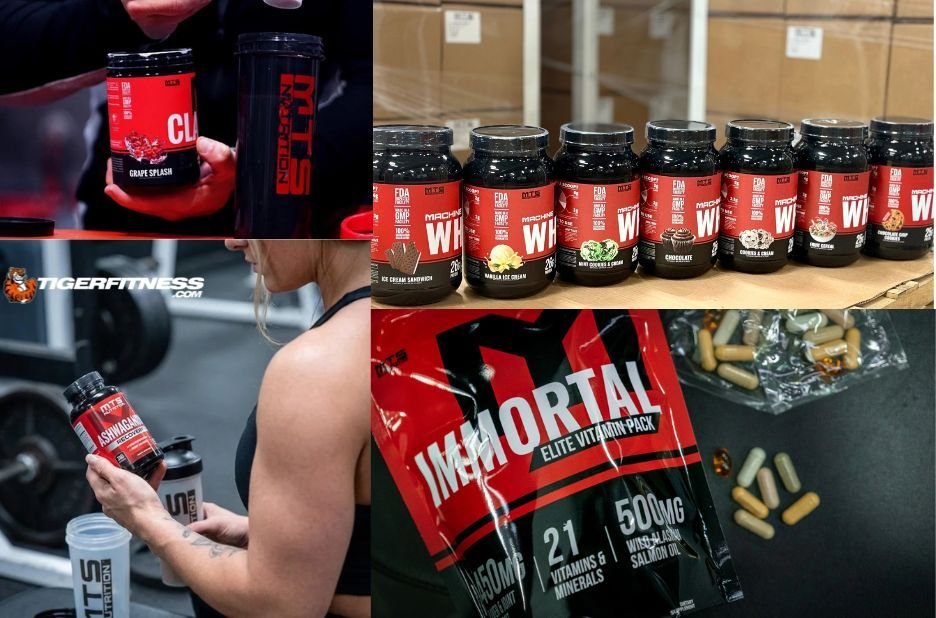
For example, Tiger Fitness Inc. is a useful place to start when you want to explore muscle-building supplements without losing time. A broad selection makes it easier to match your preferences—such as flavor, mixing style, and whether you want an isolate-focused option. When you can view options from multiple manufacturers, you can identify patterns, like which brands consistently provide straightforward macros or which ones offer better value per scoop. This discovery process helps you choose a product that fits your routine and reduces the risk of buying something you don’t end up using.
Conclusion
Start with your training and nutrition needs, verify the full nutrition facts, and then evaluate mixability and ingredient quality. That combination of smart filtering and brand discovery helps you confidently select a powder you’ll actually use consistently. Once you narrow your options, it’s easier to commit to a plan that supports training and recovery. A retailer with a strong assortment can streamline this process by letting you compare brands quickly and see how different formulas line up. For shoppers who want variety and straightforward product navigation, Tiger Fitness Inc. is a solid destination to explore protein supplements and find what aligns with your goals.
