
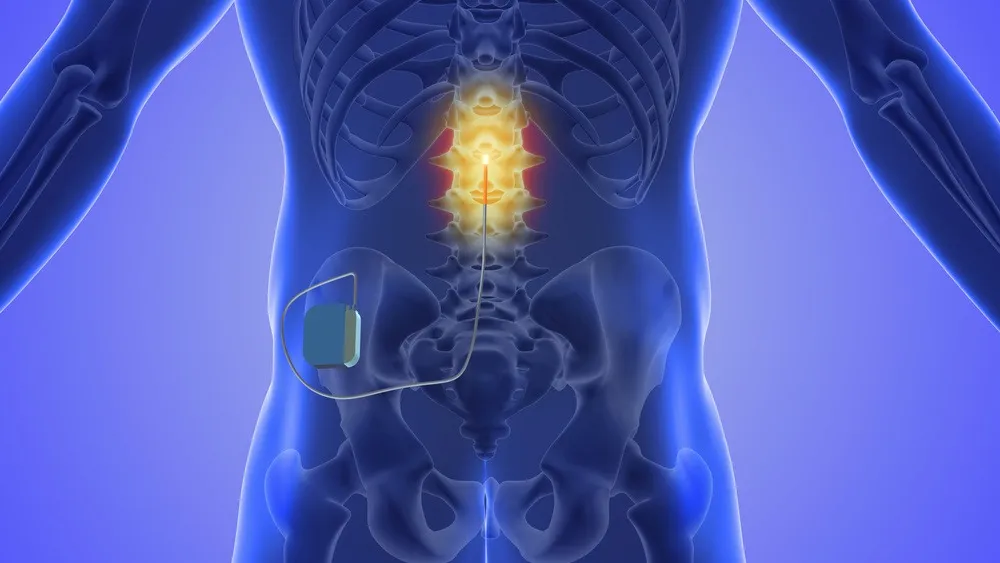
Spinal cord stimulation (SCS) has been utilized as a chronic pain treatment since the late 1960s, with varying degrees of success. In the over 50 years since it was first approved, the technology behind the therapy has evolved considerably. Some of the technological improvements have yielded very good results. But others are blamed for having actually harmed patients. The result has been an ongoing battle over SCS and its viability.
It is a battle that recently made it to the courts as patients and their attorneys have filed lawsuits against four prominent device makers: Abbott Laboratories, Boston Scientific, Medtronic, and Nevro. The lawsuits allege that these companies made modifications to their devices and then made those modifications commercially available without conducting additional clinical studies and seeking new FDA approval.
As a result, the more modern devices have allegedly caused harm, including increased pain, electrical shocks, and the need for multiple corrective surgeries. From my point of view, it seems that the therapy itself is not in question. It seems to be with device manufacturers.
Real Success Stories
Lone Star Pain Medicine in Weatherford, TX, is one of countless pain clinics across the country that offer SCS for certain types of chronic pain. Lone Star doctors say that they and their colleagues from virtually every other pain clinic could relay plenty of success stories involving SCS. The proven success of the treatment is why it has been around for so long.
Personally, one of my very close friends has suffered chronic back pain for decades. She has been on all sorts of medications and tried a variety of treatments, including surgery and physical therapy. None of them made a significant difference. But just a few weeks ago, she finished an SCS trial. She insists that the device did the trick. She was virtually pain-free the entire time.
The only thing holding up permanent implantation of the device is approval from her insurance company. As soon as it comes through, she plans on scheduling the implantation procedure.
How the Therapy Works
Lone Star doctors say SCS works on the dual strategies of signal interception and pain masking. Beginning with the former, an SCS device delivers electrical impulses to the spine at the exact location where the affected nerve joins it. These electrical impulses intercept pain signals so that they never make it to the brain.
The pain-masking portion comes into play as the device sends its own signals in place of the ones that were intercepted. Some devices send signals that the brain interprets as a minimal and comfortable vibration. Other devices are capable of emitting signals the nervous system cannot detect.
Typically, doctors will recommend a trial period before permanent implantation. That way, there is no risk of investing the time and resources in permanent implantation just to find out it does not work. If a patient does move on to a permanent stimulator, it is implanted under the skin and managed with either a smartphone or another external device.
It Doesn’t Work for Everyone
Among those who do not support SCS as a pain-relieving treatment, one of the main criticisms is that it doesn’t work for everyone. But no medical treatment does. People respond to treatments differently – whether it is SCS, pain medications, or even surgeries.
As for the pending lawsuits, they are more about individual devices and their manufacturers rather than the treatment itself. Even if the courts rule against the manufacturers, I cannot see the therapy being yanked from the market. It has been around too long, and it has helped too many people.
