
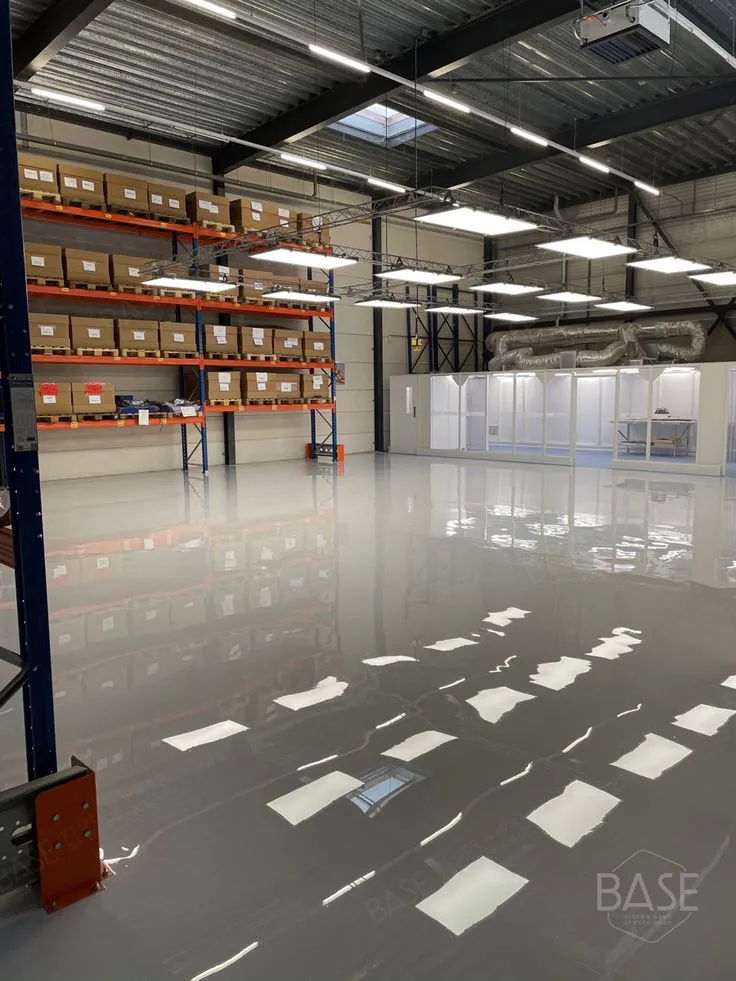
Loading docks connect two very different operating environments: the controlled interior of a warehouse and the constantly changing conditions around trailers and exterior loading areas. Forklifts cross these transitions repeatedly while pallets, debris, moisture, and temperature changes concentrate near dock doors. Dock levelers and their surrounding concrete can therefore experience different stresses from ordinary warehouse aisles. Treating these zones separately during a flooring project can help managers address worn edges, joints, impact points, and cleaning challenges before they develop into recurring maintenance problems.
Dock Interfaces Concentrate Movement
A forklift traveling down a warehouse aisle usually moves in a predictable direction. At a loading dock, the vehicle may stop, turn, reverse, cross the leveler, enter a trailer, and return within minutes.
This repeated maneuvering concentrates abrasion around dock approaches. Loaded equipment also crosses narrow transitions many times during each shift.
Managers should identify the busiest doors and compare their floor condition with lower-use loading positions. High-volume docks may deserve more attention during preparation and future inspection.
Leveler Edges Can Become Impact Points
Dock levelers create physical interfaces between equipment and the surrounding concrete. If concrete edges begin chipping or an old repair becomes uneven, forklift wheels may strike the same defect repeatedly.
Small damage can gradually become more noticeable under heavy traffic. Before managers Buy Warehouse Resin Flooring In Nj for a larger resurfacing project, dock edges and nearby joints should be evaluated separately from open warehouse areas.
A coating should not be expected to stabilize loose or deteriorated concrete underneath.
Moisture Arrives From Outside
Open dock doors can introduce rainwater, snow, dirt, and other exterior debris. Forklift tires may then carry that moisture farther into the warehouse.
This makes dock approaches different from dry interior aisles. Surface texture may need to provide practical traction without becoming so aggressive that routine cleaning is unnecessarily difficult.
Door seals, exterior drainage, and housekeeping should also be considered because flooring alone cannot prevent moisture from entering the building.
Debris Can Increase Abrasion
Loading docks collect pallet fragments, sand, grit, stretch wrap, cardboard, and other debris. Hard particles trapped beneath forklift tires can increase surface abrasion.
Regular sweeping is therefore part of protecting the floor as well as maintaining a clean work area. Cracked concrete and damaged joints can make debris removal harder because particles settle into irregular surfaces.
A properly prepared resinous floor can create a more continuous surface, but housekeeping remains important after installation.
Preparation Must Include Tight Details
Large open warehouse areas are relatively accessible for mechanical grinding or shot blasting. Dock pits, edges, columns, door frames, and equipment interfaces can be more difficult to reach.
An Epoxy Floor Installer In Green Brook should explain how those details will be prepared rather than focusing only on broad floor areas. Old coatings, weak patches, contaminants, and damaged concrete around dock equipment may require additional attention.
Consistent preparation helps prevent the perimeter of a flooring project from becoming its weakest section.
Joint Condition Matters Near Docks
Warehouse slabs often contain joints near loading areas, and these may experience repeated wheel crossings throughout the day.
If joint edges are already chipped, heavy forklift traffic can accelerate deterioration. Some joints may require repair, while functioning movement joints need treatment appropriate to their purpose.
Managers should avoid simply covering every joint in the same way. Understanding why the joint exists is important before deciding how it fits into the resinous flooring system.
Safety Markings Can Clarify Dock Zones
Floor renovation also provides an opportunity to review markings around loading positions. Facilities may define forklift routes, pedestrian waiting areas, restricted zones, or staging locations near dock doors.
Markings should remain simple and correspond with actual workflow. Obsolete lines from previous layouts can create confusion, especially in busy shipping areas.
Final striping is easier to plan before pallets and equipment return to the completed floor.
Inspect Docks More Frequently
Loading zones combine heavy traffic, outdoor contamination, impact, and moisture so that they may need more frequent inspections than protected storage areas.
Managers can monitor leveler edges, joints, turning zones, thresholds, and high-volume doors for new chips or coating wear. Photographs taken periodically can help determine whether a defect is stable or growing.
Early localized repairs may prevent repeated forklift movement from enlarging minor damage.
Conclusion
Dock leveler pits and trailer interfaces create a warehouse flooring environment that is different from ordinary interior aisles. Concentrated forklift movement, impact, moisture, debris, joints, and difficult preparation details all come together within a relatively small area.
A stronger flooring strategy treats these loading zones as distinct operational spaces. By inspecting concrete edges, preparing difficult details properly, selecting practical texture, maintaining clear markings, and monitoring high-use docks regularly, facility managers can reduce recurring deterioration and create a more dependable transition between warehouse operations and outbound or inbound freight.
