Why Grid Resilience Has Become a Boardroom Priority
For years, the folks at the top handed the power grid off to somebody else. It seemed like a background utility, the kind of thing that just worked the second you hit a switch. That era is over. These days the leaders running big companies pour real hours into thinking about electricity. Grid resilience has climbed straight up into the boardroom, and it shows no sign of heading back down.
The Stakes Keep Climbing
Companies today lean on electricity harder than any generation before them. Automated factories, cloud servers, and digital tools all crave steady power to do their jobs. A blackout that used to mean a dark office now flattens entire operations in a heartbeat. The dangers facing the grid have piled up too. Nastier storms batter the power lines. Aging gear buckles under heavy demand. Cyberattacks take dead aim at the very systems keeping the lights on. Any one of these would keep a careful leader up at night. Bundle them together and they practically shout for attention from the corner office. Executives feel the squeeze from every side, as well. Customers expect service that never blinks. Investors want proof of smart risk-planning. When one company goes dark while its rivals stay bright, the hit to trust and reputation can drag on for years.
Money and Reputation on the Line
The board of directors answers to the shareholders, and for shareholders, the bottom line is what matters. A single major disruption can erase profits, delay deliveries, and drive customers to rivals. That kind of loss directly impacts the financial statement, and directors notice it quickly.
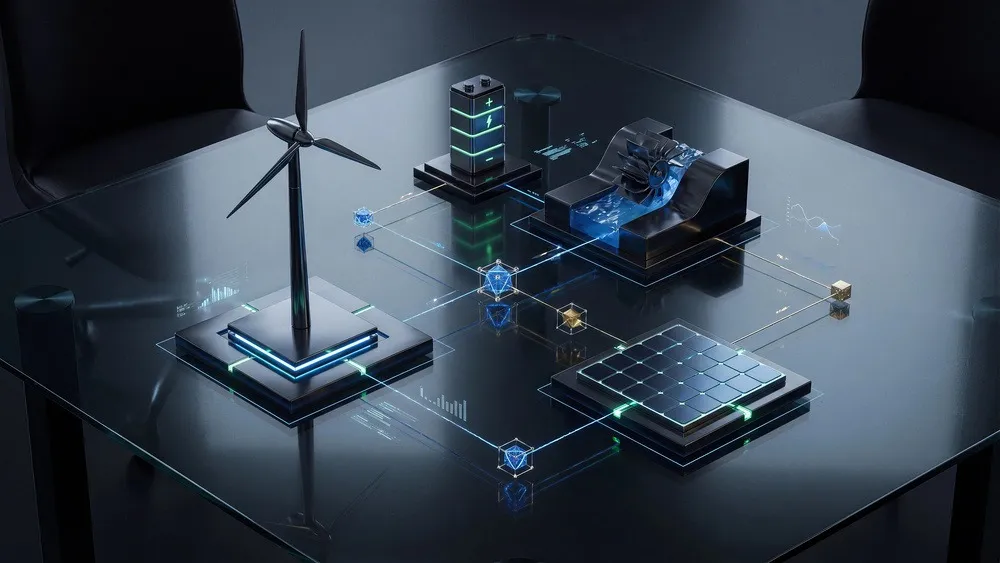
Then there is the matter of planning ahead. Sharp companies now weave energy strategy into their long-term goals. They put money into backup systems, cleaner sources, and modern designs that keep the power moving. This is where a good engineering partner proves its value. Firms such as Commonwealth bring deep expertise in renewable energy, power delivery, and power generation. They help businesses build dependable systems that save money. Systems that reduce pollution and stay strong when the power goes out. That’s why boards see those moves as smart investments, not just costs. This approach lets leaders safeguard their companies and snag some extra savings.
A New Kind of Leadership
Getting grid resilience right takes more than cutting a check. It calls for leaders who grasp the risks and plan around them on purpose. Boards now fire off pointed questions. How ready are we for a drawn-out outage? What backups sit in place? Where are we most exposed?
This shift has reshaped how companies think. Energy no longer counts as just a line on the utility bill. It stands shoulder to shoulder with finance, safety, and strategy as a core part of running the show. Leaders who handle it that way put their companies well out ahead of the ones brushing it aside. Real leadership also means moving before disaster hits. The best boards refuse to wait for a crisis to twist their arm. They get ready early, back while the skies are still clear.
Conclusion
Boardrooms are finally taking grid resilience seriously, which is exactly what’s needed. It’s a tough situation with real risks, big costs, and increasing pressure all the time. Leaders who take power seriously guard their profits, their people, and their reputation all in one stroke. The savviest companies see it clear as day. They treat dependable energy as the foundation under everything else they hope to build. In a shaky world, that kind of foresight splits the businesses that stumble from the ones that keep pushing forward.